2016 May 24
by Ridmi Upeksha
Improving your designer wear with the use of Handloom, Beralu, in house color dying and Bathik.
Local designer wear retail industry in Sri Lanka can be defined as one of key trending industries in Sri Lanka. More and more young international and local graduates trying to establish exclusive high-end brands to themselves in the local market as well as an attempt to reach out to the international market and showcase internationally. When establishing your own label, designers often tend to neglect and favor more to buy material and accessories sourced out of the country, or to outsource exclusively manufacture items for their designs. Also when designing their designs most of them observe the international competition and try to satisfy what’s out there in the market place. Adapting to the available trends of the fashion world and to create something out of the world is every designer’s desire. Supplying what’s required in the market place can be considered as one of the essential aspects when it comes to working in the fashion industry. Catering for the requirements can be a main aspect, but are we forgetting something that’s amongst us that can be used as a unique and exclusive techniques to improve and style your design giving your label a Sri Lanka-ness, directing the demand for designer wear to a new direction.
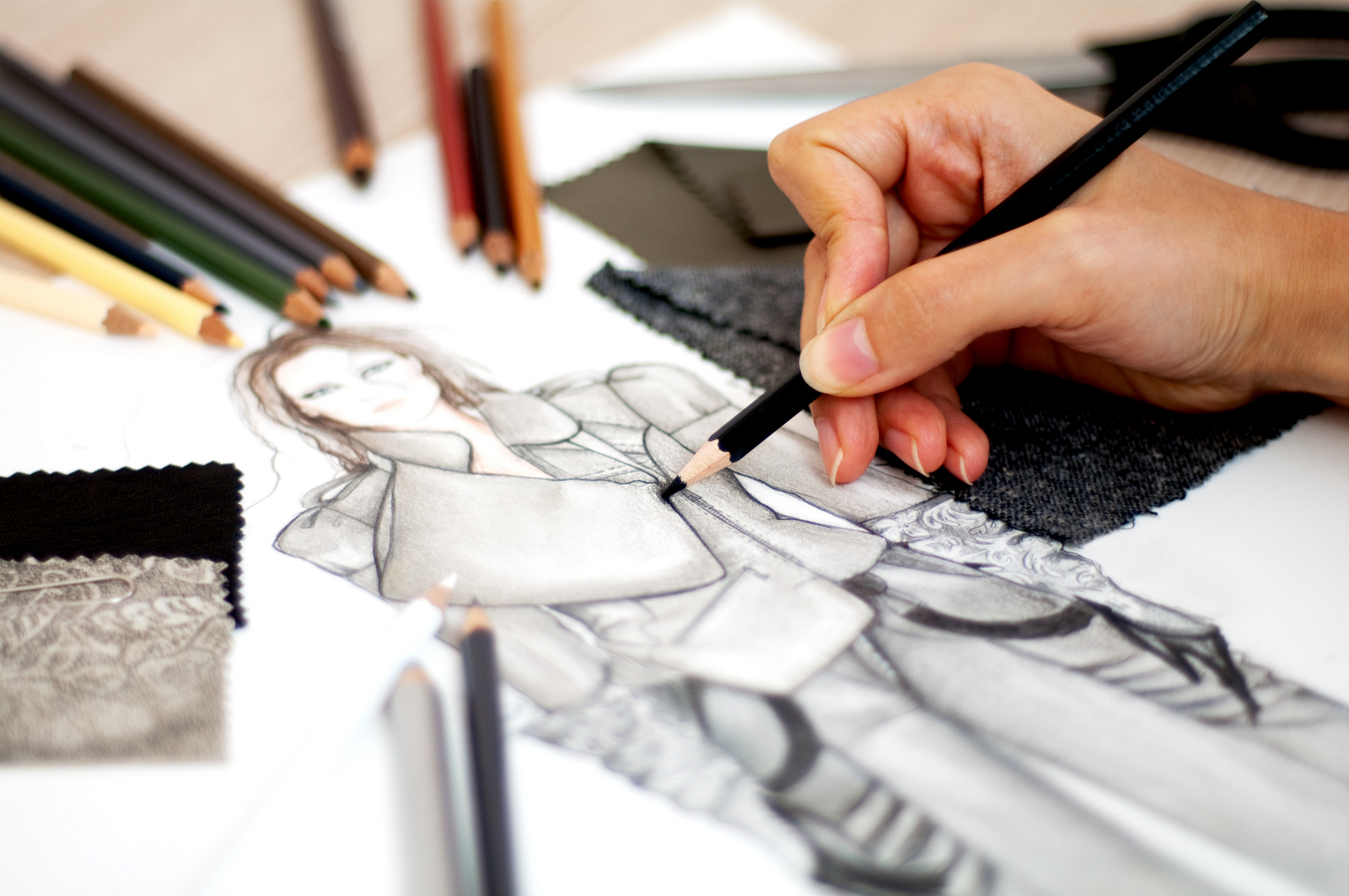
For generations Sri Lanka has known for its local industries of handloom, beralu, color dying and bathik. When looking at the bathik industry in Sri Lanka, it has collected its own clientele, so does the color dying industry. However, still when it comes to in house color dying most designers are hesitant to do so, and its been out sourced by a different company or readily available fabric is purchased. But the improvement of the local bathik industry is considerably higher in Sri Lanka compared to what is was a few years ago. Using bathik techniques to accommodate modern clothing designs are often seen amongst local and some international designer wear labels. These techniques are an opportunity for designer to showcase their talent with a touch of locality to distinguish yourself among rest of the local and international designers. Introducing these old industries through your designer pieces of work will encourage other local designers to value local industries and make an effort to make use of them. Likewise it will be a chance of other foreign designers to explore those techniques and familiarize themselves about it. This will unlock opportunities for the locals who know the industry and will allow them to develop their talents. In house color dying on the other hand is considered to be a highly precarious aspect, if a small time designer were to plan doing so, regardless of the chances you take its worth a while. If you were to look at the bigger picture when it comes to saving these industries that are readily available in Sri Lanka to manufacture one’s own designer pieces. The value added to the designs by use of these exclusive in house work are a few impressionable points for a potential up and coming young designers.
Use of charm beralu lace work on any kind of design will allow you to achieve more of a hidden beauty that lies within, and by proper modification of this intricate handwork will differentiate and isolate your designer wear amongst rest of the designs that available. Handloom and beralu been nation’s two of the ancient industries in Sri Lanka, to showcase creativity and uniqueness of these undying techniques, designers can include it as partial portion in their designs , which can root ways to a game changer in their fashion career. Attempt to save these techniques can be overwhelming, but with the right kind of modification keeping the originality of these masteries and use the modified styles to double the awareness amongst rest of the designing world will benefit those who are involved in the industries as well as the designers themselves.