

2016 Jul 15
By Shamila Naleer
Like William Shakespeare once wrote in Hamlet, “To be or not to be; that is the question”, one must impose this phrase in the context of whether to destroy or leave our reefs unharmed.
What of our reefs today?
As news reports would have it, the removal of a reef, which is apparently making the commencement of fishing activities difficult in Dehiwala, has been called for and in place of the reef, the building of an artificial breakwater was put forward.
While the USA celebrated independence on the 4th of July in explicit grandeur, Lanka witnessed interrupted train schedules along the coastline as a result of protests by the fishermen in the area, demanding the eradication of this reef.
Using their boats (, which I might add, are meant for the waters of the sea), the fishermen barred the train tracks to put into action their disapproval of the supposedly life-taking stretch of hard reef in the area. They very strongly stated that the rock had claimed six lives of their fellow fishermen in the past and that a boat had struck the reef that very morning as well. In addition, they demanded the construction of an apt harbor in the area.
Why do we need natural reefs?
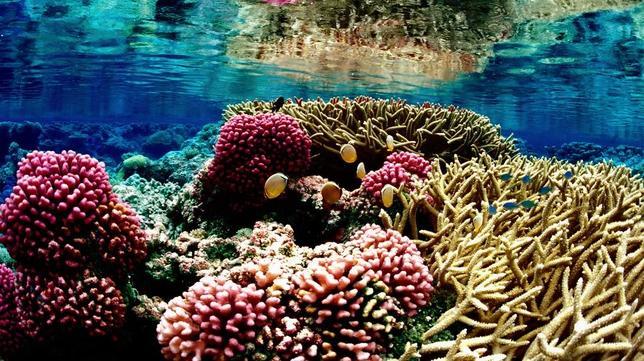
According to Coral Reef Systems (CRS), a site done by group of scientists working together on studying the subject thoroughly, reefs are valuable due to five particular reasons;
- These systems sustain more than 800 different hard coral species and over and above 4,000 diverse species of fish as well as an ample variety of living creatures thrive and depend on reefs.
- If this were a tale of a prince saving a damsel in distress, coral reefs would be the hero and I suppose the coastline and the rest of the world would probably be the damsel. The reefs cast such a major role in protecting the coast as they take away much force of inward bound waves and safeguard the shore from hefty blows from waves, currents and brewing storms. Along with saving the shore, reefs contribute to protecting lives and property as well as putting off erosion.
- What are fisheries? It is basically a habitat where fish are bred. Well, coral reefs act as natural fisheries and they are the reasons why catching many a fish is made so much easier since its breeds numerous fish in one surrounding area. Additionally, they boost exquisiteness under the sea, which in turn increases tourism (ergo, more income for indebted little nation).
- Coral ecosystems are also abundant in chemicals and organisms that are vital sources of new, developing medicines that treat cancer, heart disease, arthritis, ulsers.etc. Some even call them the medicine cabinets of the 21st century!
- It also gives way to tourism and recreational activities through diving and fishing trips.’
How has the state responded?

In light of the recent 4th of July outcry by the fishermen, according to the Ministry of Fisheries and Aquatic Resources Development, the minister, Hon. Mahinda Amaraweera, called the drafting of a report with regard to all adversities that could result should the reef be removed. As soon as the report is submitted, the ministry stated they would take steps to assign adequate funds to build the replacement breakwater, permitting fishing activities to commence without anymore clashes.
As promised, Minister Amaraweera held the meeting on Friday the 8th of July. While the building of the breakwater was discussed, the minister also added that President Sirisena will take Environmental Feasibility Reports into consideration as well. He also stated that removal of the reef will begin by January 2017, along with necessary funds from the government.
Breakwater: What is it and is it a bane or a boon?
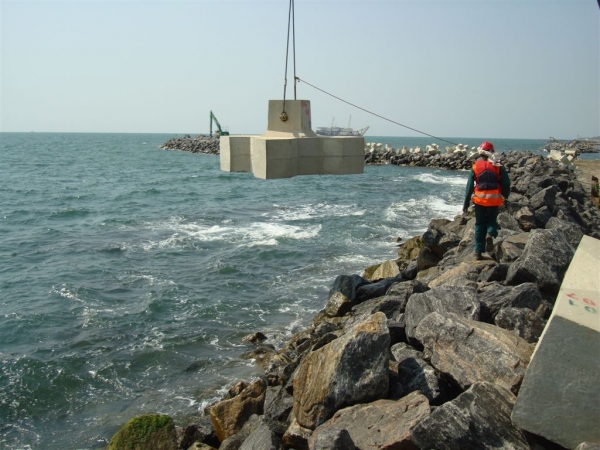
A breakwater is an artificial offshore structure protecting a harbor, or marina basin (a special harbor for small boats) from the force of water waves and acts as a form of erosion control.
Considering the benefits:
- They hinder most average waves from colliding on to shore with its fullest force which the shoreline would most probably be thankful for.
- Breakwaters do not interrupt water flow and is, to all intents and purposes, akin to the natural water flow.
- They form a natural harbor that is considered safer than the open water.
The boons of a breakwater would include:
- They are not always of assistance especially if waves become more quick-paced and forceful.
- It is not always the cheapest option and should the breakwater be a permanent adjustment, there will be long-term reorientation. It should also be said that as a country still figuring out its financial situation, adding this construction to its wildly besmirched plate may be inadvisable.
- It will not be of use for emergency protection. In case another tsunami decides to broil beneath the oceans depths, the breakwaters will be rendered close to useless. To provide adequate shielding, additional structures will need to be constructed, thus increasing the need of funds.
- They may create toxic conditions as it disturbs the natural process of excrement of toxins from ecosystems and bringing in of nutrients through incoming waves.
Past Experiences with a Breakwater Turned Sour
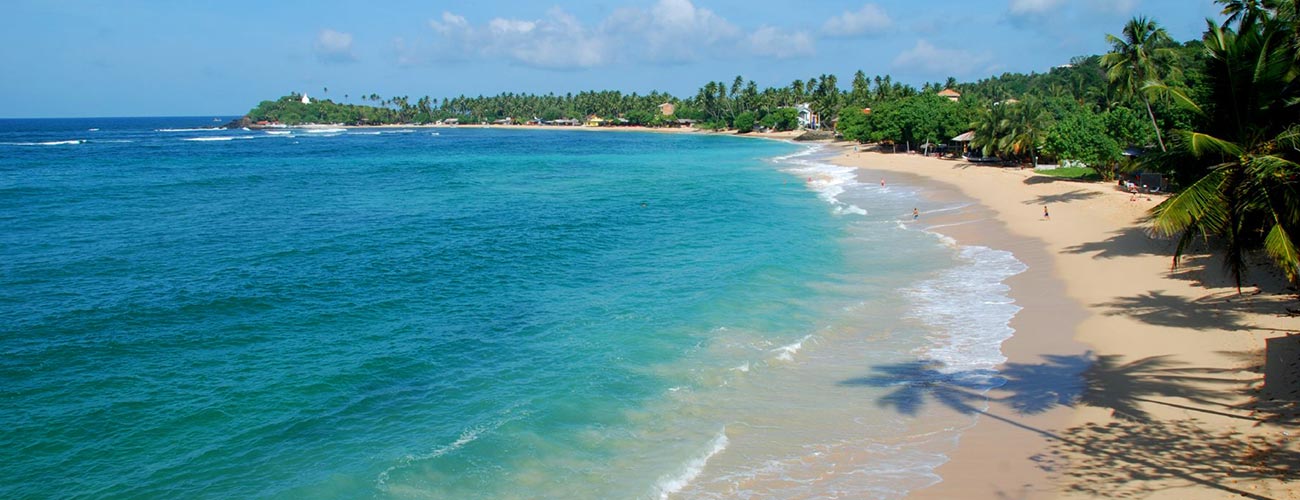
Unawatuna Beach held the title of World’s Best Beach more than a decade ago and because a picture speaks a thousand words, the one above without a doubt expresses why this beach hailed as the best.
Then this happened…
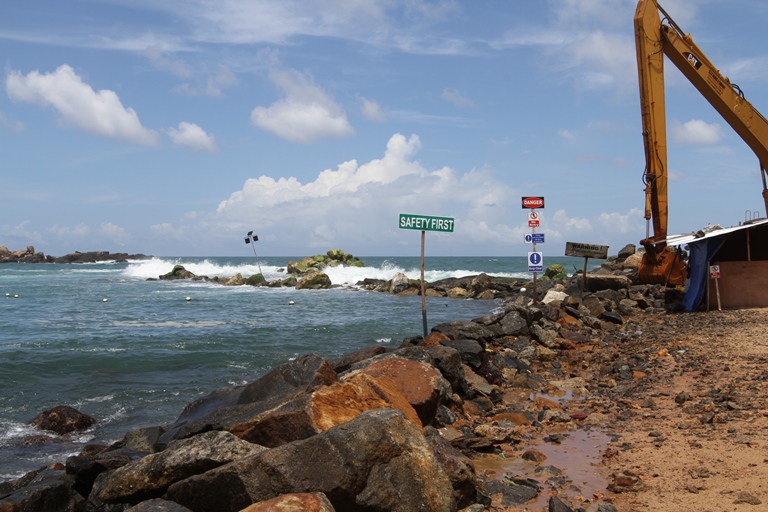
The Coast Conservation Department built a breakwater with the prospect of “protecting” the beach. The aftermath of this? Sand from one portion of the beach is being eroded and deposited on the other part. Large rocks were placed in order to combat the erosion and eventually annoyed tourists and other beach dwellers. The state is now in the process of constructing an artificial beach in place in order to restore the beach to its once spectacular finesse. This decision took its toll on funding as well as it required almost a billion to fund the restoration.
What We Think…..
The reefs are bountiful with nature’s goodness and the beauty of its underwater habitat with its many dwelling fish is always a welcome sight to eyes that always see concrete. To disregard the boons that we acquire from these natural systems could be deemed foolish, but to ignore the loss of lives and other harm caused may be unwise as well. It would be best to find a solution that could protect both our people and our reefs. Hesitate and wonder if we really need another Unawatuna on our hands.