
2016 Jun 9
by Anuki Premachandra
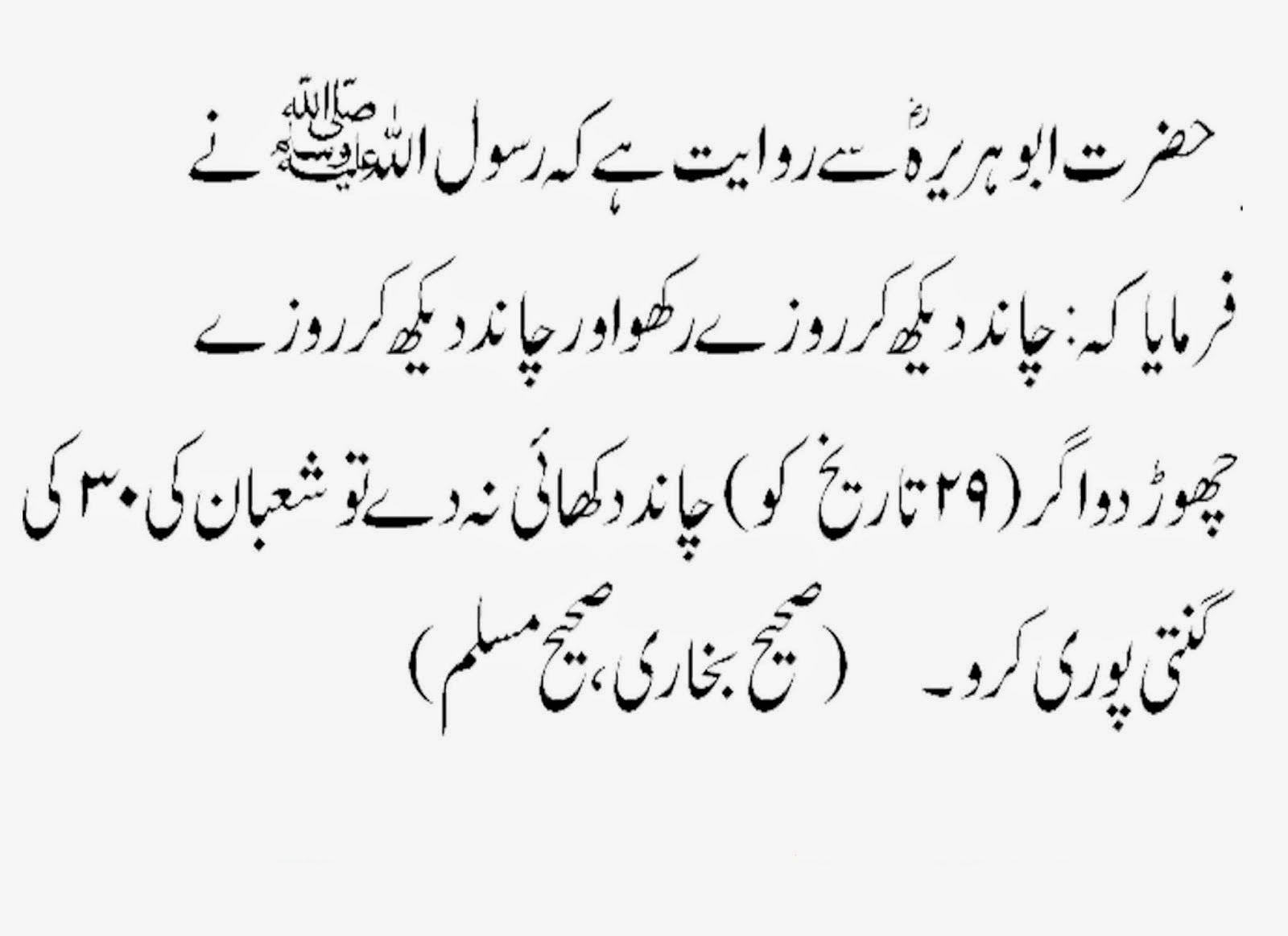
Ramadan is the month of Muslim fasting and lasts for about 29 to 30 days. But really, there’s more to it than most non-Muslims know about it. The Islamic calendar is based on the lunar cycle, and that’s why there is a time period, but the dates change from year to year, because in a lunar calendar, the beginning of each month is determined by when the new moon is seen.
Ramadan is the 9th month in the Islamic calendar and a time where Muslims all around the world, fast during the hours of daylight. The Quran was first said to have been revealed to the Prophet Muhammad during this month.
Almost all Muslims try and give up bad habits and wash away their sins during this time of the year. Fasting takes place to help teach them self-discipline and self-restrain, with its intent to remind them of the suffering that those that have no plate of food, or meal each day, go through.
It is a time of forgiveness, and a time where all make amends. Ramadan isn’t only about fasting, the word Ramadan can be traced from the noun Ramad which refers to the heat of the stones caused by intensity of the rays of the sun. So it is believed that during this month, all your sins get burned away.
Fasting?
Most assume that Ramdan can be translated into fasting, but that’s not entirely the cause. Fasting, is but one pillar of Islam and all Muslims able to fast, are obligated to do so. Also, fasting isn’t just about not eating an entire full day. It consists of abstaining from food, drinking and sex between sunrise and sunset.
It’s not just about abstaining from food, drinks or sex that make up the days of Ramadan. It’s also about good deeds. No matter how big or small the deed, it’s the intention that matters, and carrying out deeds that add to your merit is of utmost importance.
If you’re ill or pregnant you don’t have to fast. Instead, you have to give a daily sum of money to a poor person, which must suffice for a daily meal.
Muslims all around the word, wait anxiously until the hilal, the arrival of the new moon, is sighted. The full moon marks Eid ul Fitr, and marks the end of fasting.
The last 10 days of fasting
The blessed night, known as Laylatul Qadar occurs in one of the last ten nights of Ramadan. It is most probable in one of the last ten odd nights – 21st, 23rd, 25th, 27th or 29th night. It is the glory of the holy month and is depicted by the sending down of the Quran as a light of guidance to mankind.
Those praying in the time of the occurrence of this is considered blesse and fortunate. The man or woman, who prays for a whole night during this night, will deserve blessings and rewards for the period as if he or she has been praying for their lifetime consecutively.
Amidst these nights is one special night, which is better than a thousand months. It is the Night of Power– Laylatul Qadar– when the Quran was revealed. Some believe that it was the night the holy Quran was brought down the heavenly abode, for Jibrael to reveal in parts to the prophet.
Eid is seen as a time of beginnings and the crescent moon carries with it the innocent pleasure of a fresh start.
If there’s more facts and opinions you’d like to share with us, do comment below and tell us why this time of the year strikes a specialty to you.
Ramdan Mubarak to all Muslims around the world from all of us at Pulse.lk! May this year usher in peace, good health and joy to you and your loved ones.