2017 Oct 13
So what does ‘Zero-Waste’ really mean?
Zero-Waste simply put, is living in a way where you minimise your footprint on the planet. You live in a manner which allows you to send Zero-Waste to landfill. You do this by reducing what you need, cutting out disposable plastic so that you eliminate your plastic waste, recycling and re-using as much as you can and by composting your organic waste. Sounds simple right!?
Why adopt a Zero-Waste lifestyle?

Before you embark on your Zero-Waste journey it’s good to be informed of the facts so that you adopt this lifestyle for the right reasons. Understanding the why will give you strength during challenging times, when you need to make choices that are not always ‘convenient’.
So here are the facts:
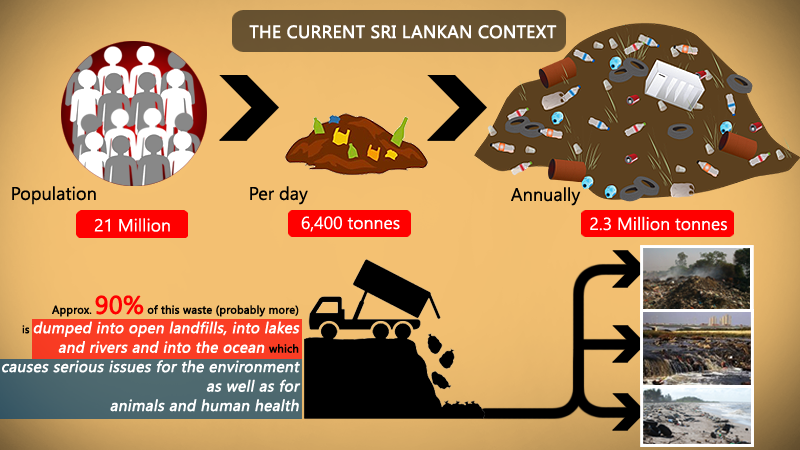
- With a population of roughly 21 million people, Sri Lanka generates 2.3 million tonnes of solid waste annually and 6,400 tonnes of solid waste per day (Ministry of Environment, 2013).
- Approximately 90% of this waste (probably more) is dumped into open landfills, into lakes and rivers and into the ocean which causes serious issues for the environment as well as for animals and human health.
- Sri Lanka is one of the only 2 countries in the world where a garbage mountain collapsed on people killing more than 30 people burying almost 150 homes.
- Sri Lanka is one of the world’s top 5 polluters of the ocean (Business Times 2010).
- Each Sri Lankan is responsible for 0.299 kg of plastic mismanagement each day and the country generates an average of 5,163,689 kilos of plastic waste per day.
- Plastic waste kill hundreds of thousands of seabirds, sea turtles and marine mammals every year.
- Reports indicate that by 2050 there will be more plastic waste debris in the ocean than actual fish. 2050 is only 33 years away.
The sad but confronting reality is that every one of us, who hands over our solid waste to the municipal garbage truck each week, is responsible for those deaths and casualties in Meethotamulla. The Meethotamulla disaster which happened only 6 months ago, exemplifies why we must all endeavor to lead a Zero-Waste lifestyle.
How can you get started?
Here are top 12 tips to get you started on your Zero-Waste life:
1. Stop purchasing bottled water
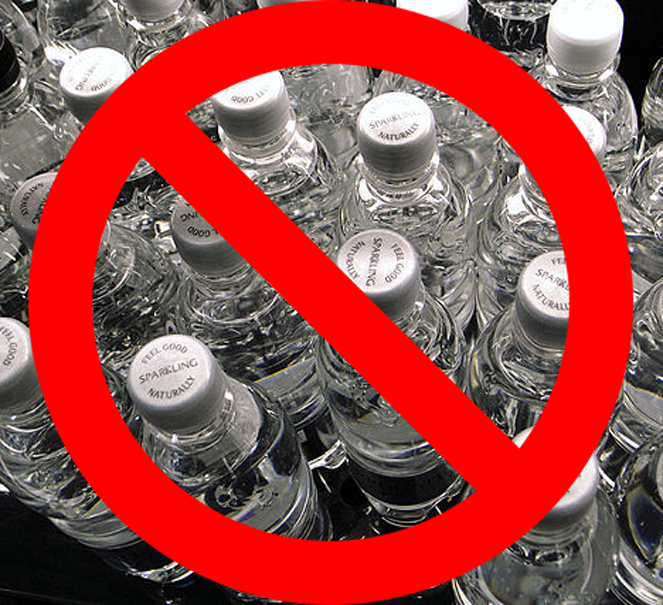
Disposable plastic bottled drinking water and soft drink bottles are some of the biggest polluters in Sri Lanka and in the world. You will see these floating around in lakes, canals, rivers, wedged into rocks in waterfalls and piled up along the road too. Simply stop buying these. It is not at all difficult and only requires a habitual change.
2. Buy yourself a reusable lunch box and water bottle
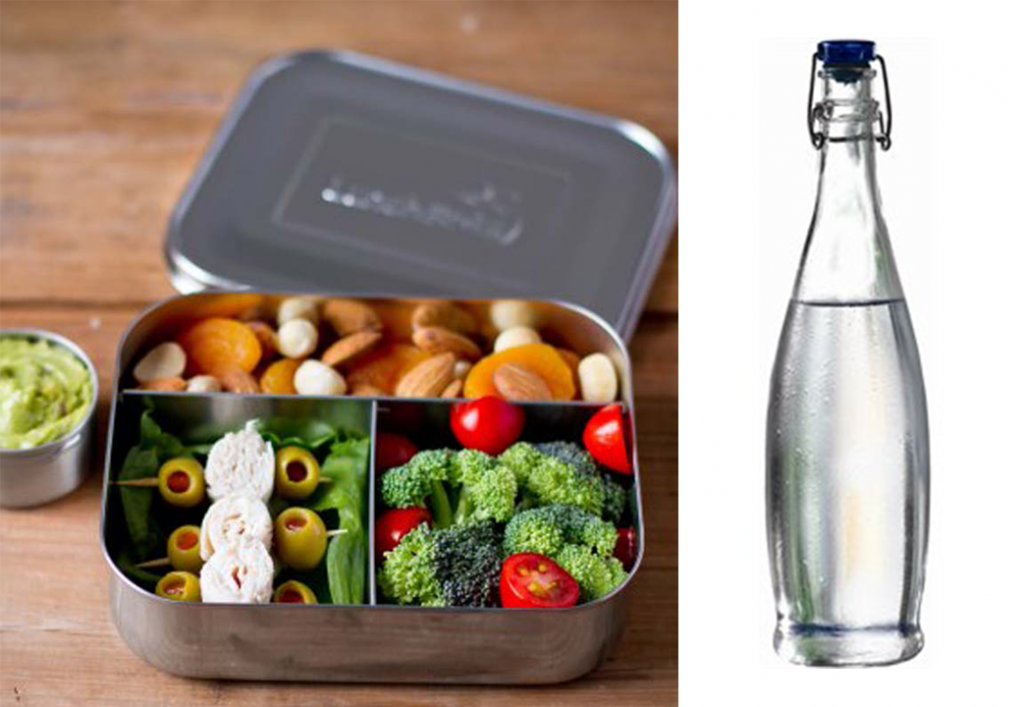
Glass or stainless steel is best. Don’t buy reusable plastic goods as even the BPA free ones are bad for your own health due to the chemicals that leach from the plastic into the food and drink within.
3. Remember to carry your own refillable water bottle everywhere you go
You can easily fill it up with filtered water at any roadside ‘kadey’ or restaurant that is 100% safe to drink and how it was done not so long ago before bottled water became the norm. You will save a lot of money doing this too.
4. Stop buying goods that are packaged in plastic wrapping wherever possible
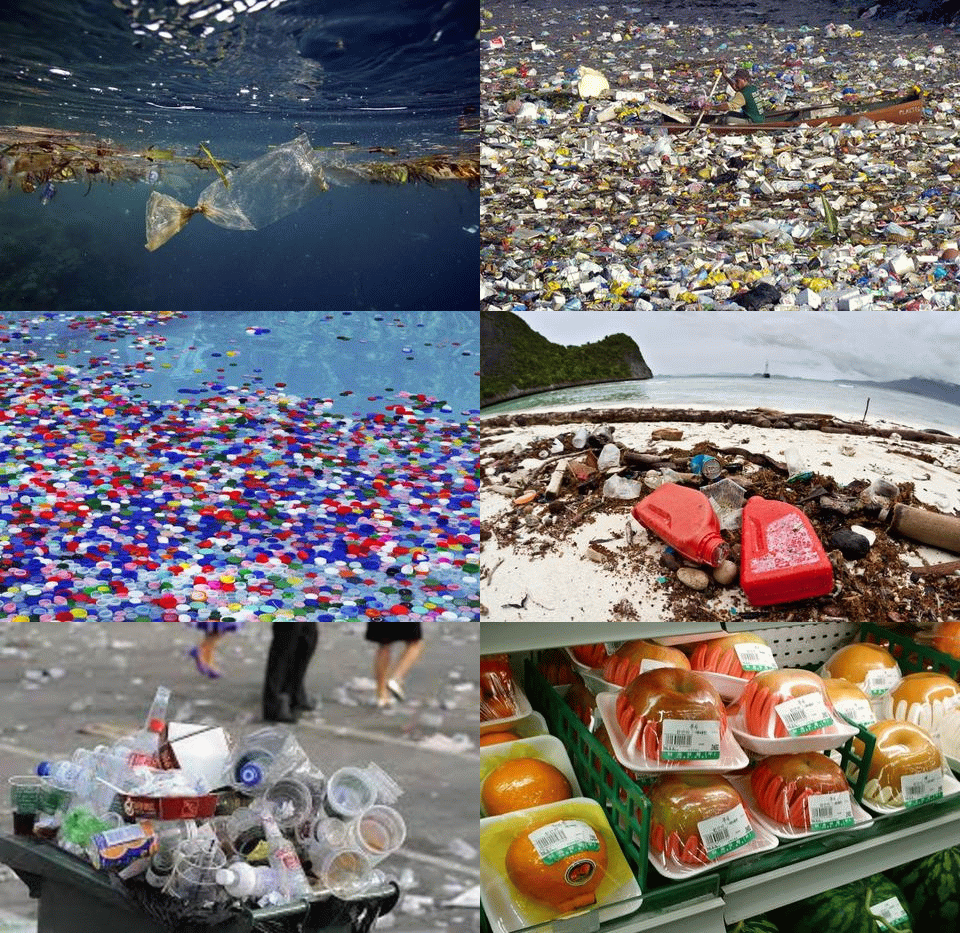
This applies to grocery items, toiletries, clothes, you name it. Always look for alternatives which minimize your plastic waste.
5. Buy in bulk whenever you can
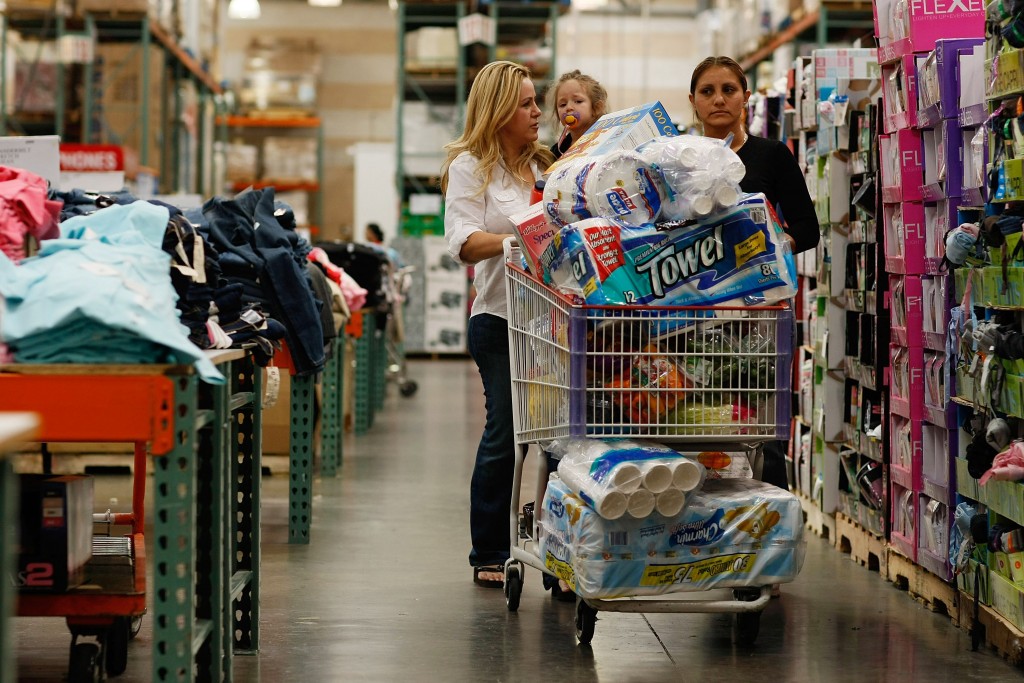
Things like biscuits and other snacks as well as grocery items like legumes, rice, noodles can be bought in bulk and repackaged in your own reusable containers at home.
6. Carry a snack with you
 Carrying a banana or some biscuits or nuts in a small reusable container in your handbag or car will make for a convenient snack when you’re feeling peckish and will stop you from buying a biscuit packet or chocolate bar that is wrapped in disposable plastic.
7. Carry your own reusable carry bag
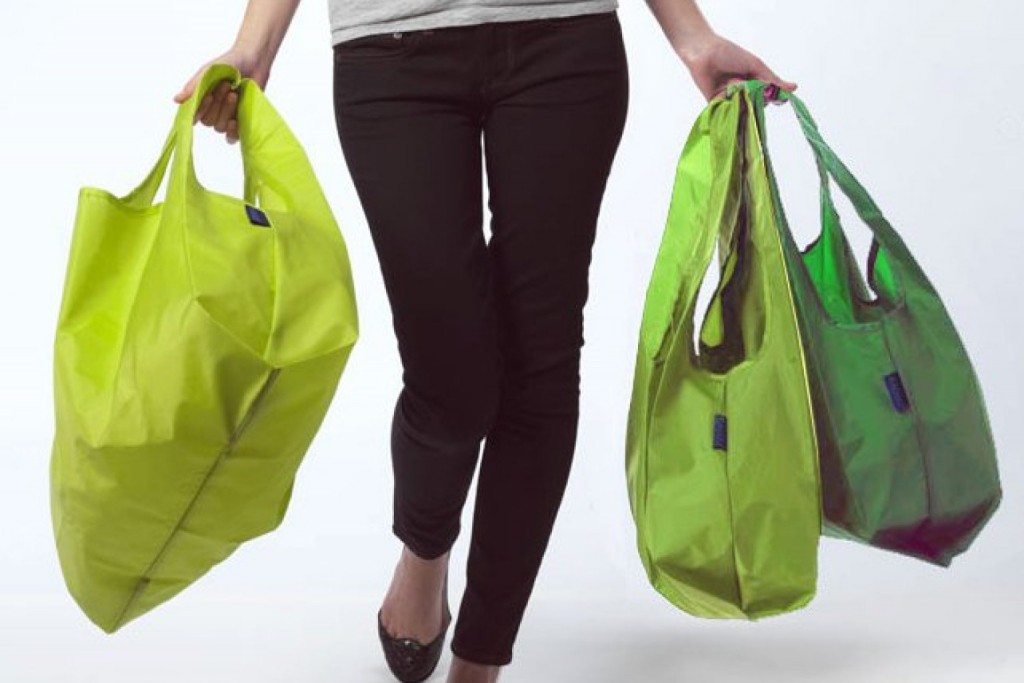
Carry one when you go grocery shopping, leave one in the boot of the car and carry one in your handbag too. This way you can say NO to plastic grocery and shopping bags at the check-out counter. Plastic bags are one of the top two plastic polluters in the world, collecting in landfills and waterways. They’re incredibly wasteful and put marine wildlife in danger. The plastic that leaches into the ground pollutes ground water and soil quality.
8. Take your meals to work as often as you can

This will stop you from buying packaged take-away meals. If take-away is your only option, then choose a supplier than can assist you with the Zero-Waste approach. Maybe they can let you use your own container if you buy two and ask them to package your meals using them. Remember to bring back your used container from yesterday so they can serve your meal in it again tomorrow!
9. Compost your own organic waste
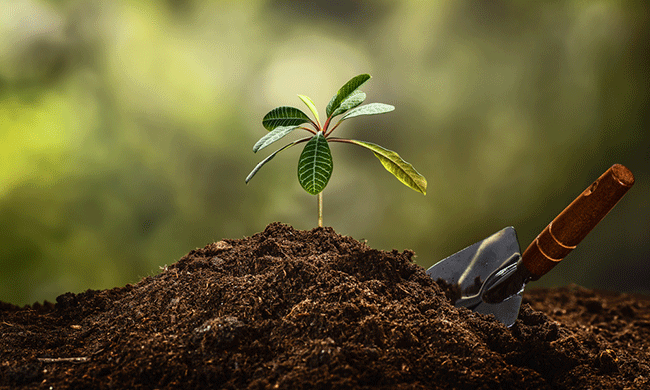
The majority of the waste produced in an average Sri Lankan home is usually organic waste coming from the kitchen and dining table.
- If you live in a house with a yard, it should be very very easy for you to create your own compost area at next to no cost. Kanchana Weerakoon from Eco Friendly Volunteers teaches us a very easy DIY approach. Check it out here!
- There are advanced methods of composting at home even if you live in an apartment – all you need to do is refer to YouTube for the many DIY methods.
10. Go paperless
Most offices now allow you to keep digital records and notes which really does eliminate the needs for notebooks and paper. If you do need to print something, make sure you print on both sides. For anything you want printed that is not important, reuse your old A4 paper which has already been used once.
11. Take care of clothes

Learn to buy fewer items of clothing, but invest more so you will buy better quality items which will last longer. Go for timeless designs instead of momentary trends. Learn to mend rips and tears and replace zippers and buttons instead of throwing it out. Hand your second hand clothes to the underprivileged.
12. Recycle
Make sure the paper and plastic waste that does get accumulated gets recycled. You can either hand your recyclable goods to the ‘Bothal Paththare’ man or find a local recycling goods collection spot.
We humans might consider ourselves to be the most advanced species on the planet however, the sad reality is that we are also the only species that creates waste which cannot be assimilated back into the natural environment.
It is encouraging to note that Zero-Waste living is a concept that is being embraced by most countries especially in the developed world. Imagine if ALL of us learned to live waste free, how amazing would that be?
“We do not inherit the earth from our ancestors; we borrow it from our children”. For the sake of our future generations and indeed for the sake of the very survival of Planet Earth, we are duty-bound to leave this planet in a better state than we found it when we got here.
Remember that going Zero-Waste is a journey. It is a process of learning and changing behaviours. Of living more consciously and intentionally. It’s understanding the need to change our ways and it’s a constant effort of doing better than you did yesterday.
So don’t wait any longer. Begin your Zero-Waste journey today!